


Speed or permanence? Laser vs electrolysis in the UAE
For large areas and fast reduction, laser hair removal is the better fit. For permanent removal of individual light, grey or fine hairs, electrolysis wins. The real trade-offs come down to sessions, pain, and how much permanence actually matters to you, which the rest of this guide breaks down. It also includes the safety checklist any decent clinic should walk you through before you book.
TL;DR:
- Laser hair removal is faster and more suitable for large areas but rarely provides permanent results, needing occasional touch-ups after many sessions.
- Electrolysis offers a guaranteed permanent solution, especially effective for small, precise areas and any hair or skin type, but takes longer and may cause more discomfort per follicle.
- The typical laser course requires multiple sessions spaced four to six weeks apart, with results evaluated after the final treatment, while electrolysis involves weekly or fortnightly sessions focused on individual follicles.
- Proper consultation includes a test patch, discussion of device selection, safety checks, and a full treatment plan with clear cost estimates, preferably in writing.
- Combining laser and electrolysis can address bulk growth efficiently with laser and finish stubborn or fine hairs permanently through electrolysis.
Table of Contents
- Laser vs electrolysis: a quick side-by-side
- How laser hair removal actually works
- How electrolysis works and why it can be permanent
- How do you choose between laser and electrolysis?
- What a proper consultation should cover
- What I’ve learned about setting realistic expectations
- Booking a consultation at Yoyimé Clinic
- Sources
- FAQ
Laser vs electrolysis: a quick side-by-side
Laser hair removal uses concentrated light to heat and damage the pigment inside a hair follicle, slowing regrowth across a treatment area in a single pass. Electrolysis sends an electric current through a fine probe inserted into one follicle at a time, destroying the growth centre so that hair does not grow back from that specific follicle.
The two methods solve different problems, and the pros and cons make that obvious once you line them up:
- Speed and area coverage: Laser wins easily. A single pass can clear an underarm or a lower leg in minutes; electrolysis treats one follicle at a time, so large areas take far longer.
- Permanence: Electrolysis is recognised as the only FDA-approved method for permanent hair removal, while laser typically delivers long-term reduction with occasional maintenance rather than a true permanent result.
- Pain: Reports vary by person and by body area, but electrolysis is often described as a sharper, more localised sting, while laser tends to feel like quick, repeated snapping heat over a broader patch.
- Suitability by hair and skin type: Laser works best on dark hair against lighter skin, though modern devices have narrowed that gap. Electrolysis works on virtually any hair colour and skin tone, since it does not rely on pigment contrast at all.
- Best for: Laser suits backs, legs, arms and bikini lines. Electrolysis suits eyebrows, chins, and stray hairs that survived a course of laser.
Many clinics run laser first to clear the bulk of an area, then finish with electrolysis on the lighter or finer hairs that lasers cannot grip onto.
How laser hair removal actually works
Laser devices target melanin, the pigment inside a hair shaft, and use heat to disable the follicle without harming the surrounding skin when calibrated correctly. Different wavelengths suit different combinations of hair and skin: alexandrite lasers (755 nm) and diode lasers (810 nm) tend to suit lighter skin with dark hair, while Nd:YAG lasers (1064 nm) penetrate deeper and are generally the safer choice for darker skin tones, according to StatPearls’ review of laser hair removal. IPL devices work on a broader light spectrum and are sometimes grouped alongside true lasers, though the mechanism differs slightly.
Nobody clears a treatment area in one visit. Hair grows in asynchronous cycles, so a laser only affects follicles that happen to be in an active growth phase at the time of treatment, which is why StatPearls notes that multiple sessions, spaced weeks apart, are needed to catch hairs as they cycle through. A typical course looks like this:
- Consultation and test patch — skin and hair assessment, medical history review, and a small trial spot to check reaction.
- Sessions one to four — spaced four to six weeks apart, targeting the bulk of active hair growth.
- Sessions five to six — addressing regrowth that was dormant earlier in the course.
- Review appointment — usually a few months after the final session, to judge the real result once shedding has settled.
- Occasional maintenance — a touch-up session once or twice a year for some patients.
Expect mild stinging, temporary redness, and occasional swelling. Rarer risks include burns and pigment changes, particularly when the wrong wavelength is used on the wrong skin tone or the operator lacks experience, a point the American Academy of Dermatology stresses repeatedly. Before treatment, disclose recent tanning, sun exposure, and any photosensitising medication, and avoid waxing or plucking beforehand, since the follicle needs its hair shaft intact for the laser to target. Aftercare is simple: cool the area, stay out of direct sun, and seek review promptly if you notice blistering or persistent colour change, guidance echoed by the Cleveland Clinic. A proper quote should always cover the full expected course, not a single session, since maintenance is common and per-visit pricing hides the real cost.
Pro Tip: Ask the clinic to photograph and note your test patch result in your file. If a reaction shows up later in the course, that record helps the practitioner adjust settings instead of guessing.

How electrolysis works and why it can be permanent
Electrolysis inserts a fine probe into a single follicle and passes an electric current through it, destroying the follicle’s growth centre so hair cannot regrow from that spot. This follicle-by-follicle approach is why the Cleveland Clinic describes it as the only treatment currently approved for permanent hair removal, and why it works on any hair colour or skin tone, unlike laser, which depends on pigment contrast.
Electrolysis suits small, precise areas: eyebrows, chins, upper lips, and the stray light or grey hairs that laser cannot reliably target. It is rarely the practical choice for a whole leg or back, simply because treating thousands of individual follicles one at a time takes far longer than a single laser pass. Progress gets measured differently too. Rather than counting sessions, practitioners track follicles treated and hairs that fail to return, so two people with the same number of visits can be at very different stages of clearance depending on hair density.
A sample schedule for a moderate facial area might run like this:
- Initial consultation — hair density check, skin assessment, and a discussion of realistic timeframes.
- Weekly or fortnightly sessions — early visits target hairs currently in an active growth phase.
- Spacing sessions out — as fewer active follicles remain, visits move to monthly or longer intervals.
- Maintenance visits — occasional follow-ups to catch any hairs that regrow from follicles that were only partially disabled.
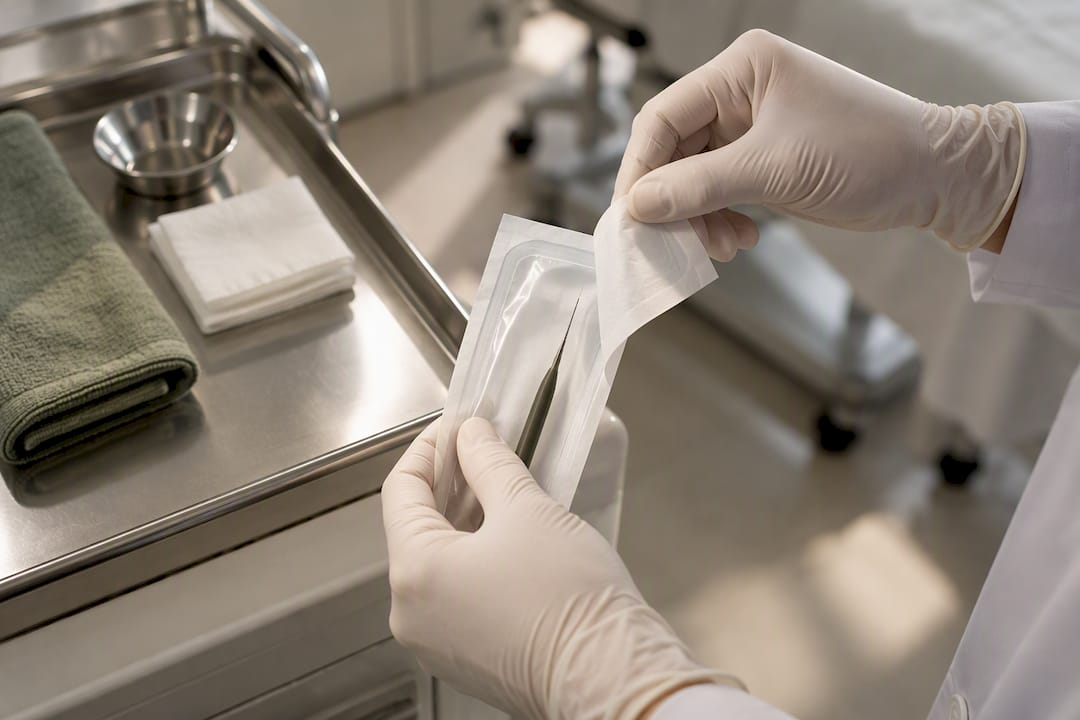
Discomfort is usually described as a brief, localised heat or pinch per follicle, more concentrated but shorter than laser’s broader warmth. The main safety risk is not the current itself but poor technique or non-sterile equipment, which can cause infection or scarring. Confirm the practitioner uses sterile, single-use probes and holds recognised electrology certification, a safeguard the Cleveland Clinic flags as the main preventable risk in electrolysis. Aftercare is minimal: mild redness that settles within hours, and avoiding heavy makeup or sun exposure on treated skin for a day or so.
Pro Tip: Before your first session, ask to see the probe packaging opened in front of you. A practitioner who does this without hesitation is following proper infection control as standard practice, not just for your visit.
How do you choose between laser and electrolysis?
The decision usually resolves quickly once you’re honest about what you’re optimising for: speed and area coverage, or permanence and precision. A large area with dark hair and a tight timeline points towards medically supervised laser. A small area, facial hair, or light and grey strands that need to be gone for good points towards electrolysis. Mixed hair types, which most people actually have, often call for a personalised plan that blends both.
Bring these questions to any consultation:
- Which device or wavelength will be used, and why is it appropriate for my skin tone and hair colour?
- How many total sessions should I realistically expect, and what does the maintenance plan look like afterwards?
- Will you perform a test patch before the full treatment, and will the result be documented?
- What are your practitioner’s qualifications, and who is supervising treatment on darker skin or sensitive areas?
- What infection control measures are in place, particularly for electrolysis probes?
Watch for red flags: a clinic that skips the test patch, promises vague “permanent results” without explaining the method’s actual limits, never asks about recent tanning or medication, or won’t put a treatment plan in writing. A reliable quote covers a full course, since laser and electrolysis are priced in completely different units of work, field sessions versus follicle-by-follicle time, so comparing single-session prices between the two methods tells you almost nothing useful. Ask for a written estimate that accounts for your specific area, hair density, and the number of touch-ups typically needed.
What a proper consultation should cover
A thorough first appointment should walk through your skin and hair history, current medications, and any recent sun exposure or tanning, since all three affect which laser settings are safe or whether laser is appropriate at all. Expect a discussion of device or wavelength choice, a test patch, and a written estimate of your expected course length before any treatment begins.
Clinics offering both laser hair removal and electrolysis under one roof, with doctor-led consultations, can build a plan around mixed hair types or combined cosmetic goals, rather than pushing you towards whichever single method they happen to offer.
The claims worth trusting are the narrow, factual ones: what a consultation covers, which devices are used, and how a course is structured. Be wary of any comparative guarantee that promises one method beats the other for everybody, because suitability genuinely depends on your hair, your skin, and the area being treated.
What I’ve learned about setting realistic expectations
Nobody walks out of a single session with a finished result, whichever method they choose, and clinics that imply otherwise are setting people up to feel let down. The honest framing is that laser buys you speed and coverage, electrolysis buys you certainty on individual hairs, and plenty of people end up using both at different stages of the same journey.
Combined approaches, laser to clear bulk growth, electrolysis to finish off the stragglers, are common precisely because hair does not grow uniformly across a body or a face. If you take one thing from this, book a proper consultation instead of shopping by price list. A test patch and a written plan tell you far more than a number on a menu ever will.
— Yoyime
Booking a consultation at Yoyimé Clinic
Yoyimé Clinic offers both advanced laser hair removal and electrolysis under doctor-led consultations, so your plan gets built around your actual hair and skin, not a single method the clinic happens to prefer.

Your first appointment starts with a full assessment: hair and skin history, medication and tanning check, a test patch where appropriate, and a tailored plan with a full-course quote so you know exactly what to expect before committing to treatment. That matters more than it sounds, because laser and electrolysis are priced and scheduled completely differently, and a rushed single-session quote rarely reflects what a full course actually costs. If you’re ready to find out which method, or which combination, fits your hair, skin and goals, book a consultation at Yoyimé Clinic and get a plan built around your own assessment rather than a generic price list.
Sources
- Laser hair removal: How it works & what to expect — Cleveland Clinic
- Laser hair removal - StatPearls (NCBI Bookshelf)
- Laser hair removal: FAQs — American Academy of Dermatology (AAD)
This article is general information, not a substitute for advice from a qualified doctor. Consult a qualified healthcare professional about your own circumstances before acting on anything here.
FAQ
Do celebrities get laser or electrolysis?
Most public figures who talk about hair removal mention laser, largely because it clears large areas quickly and suits red-carpet timelines. Electrolysis tends to get used more quietly for precise touch-ups, like eyebrow shaping or stray facial hairs, where permanence on a small area matters more than speed.
What is the healthiest hair removal method?
Both methods are considered safe when performed by a qualified practitioner using appropriate equipment and settings for your skin and hair type. The bigger safety factor is operator skill and proper consultation, including a test patch and disclosure of tanning or medication, which the American Academy of Dermatology flags as the main variable in laser safety.
What are the negatives of electrolysis hair removal?
The main drawback is time: treating an area follicle by follicle takes far longer than a laser pass, which makes electrolysis impractical for large areas like full legs or backs. Poor technique or non-sterile probes also carry a risk of infection or scarring, so verifying sterile equipment and proper certification matters.
Is electrolysis more painful than laser?
Pain is subjective, but electrolysis is often described as a sharper, more concentrated sting per follicle, while laser tends to feel like a broader, quicker heat across a larger patch. Neither method is pain-free, and sensitivity varies significantly by treatment area and individual tolerance.
How does Yoyimé Clinic price laser hair removal or electrolysis?
Yoyimé Clinic does not publish fixed prices for laser hair removal or electrolysis, since a fair quote depends on treatment area, hair density, and the number of sessions your plan requires. Current pricing and full-course estimates are available directly through the clinic after a consultation.